
Currently Empty: د.إ0.00


Quartz vs Automatic Watches: Key Differences, Benefits, and Which to Buy
Choosing between a quartz and an automatic watch is one of the first “real” decisions most people make when buying a branded timepiece. And it’s easy to overthink—because watch culture can make it sound like one choice is more “serious” than the other.
The truth is simpler: both are great, and the best option depends on how you live, how you’ll wear the watch, and what you enjoy about owning one.
This guide explains the difference in a clear, real-world way—so you can buy with confidence.
First, the simplest explanation
Quartz (battery powered)
A quartz watch uses a battery to send an electrical signal through a quartz crystal, which vibrates at a consistent frequency. That consistency is what makes quartz watches so accurate.
In everyday terms: quartz is the “set it and forget it” choice.
Automatic (self-winding mechanical)
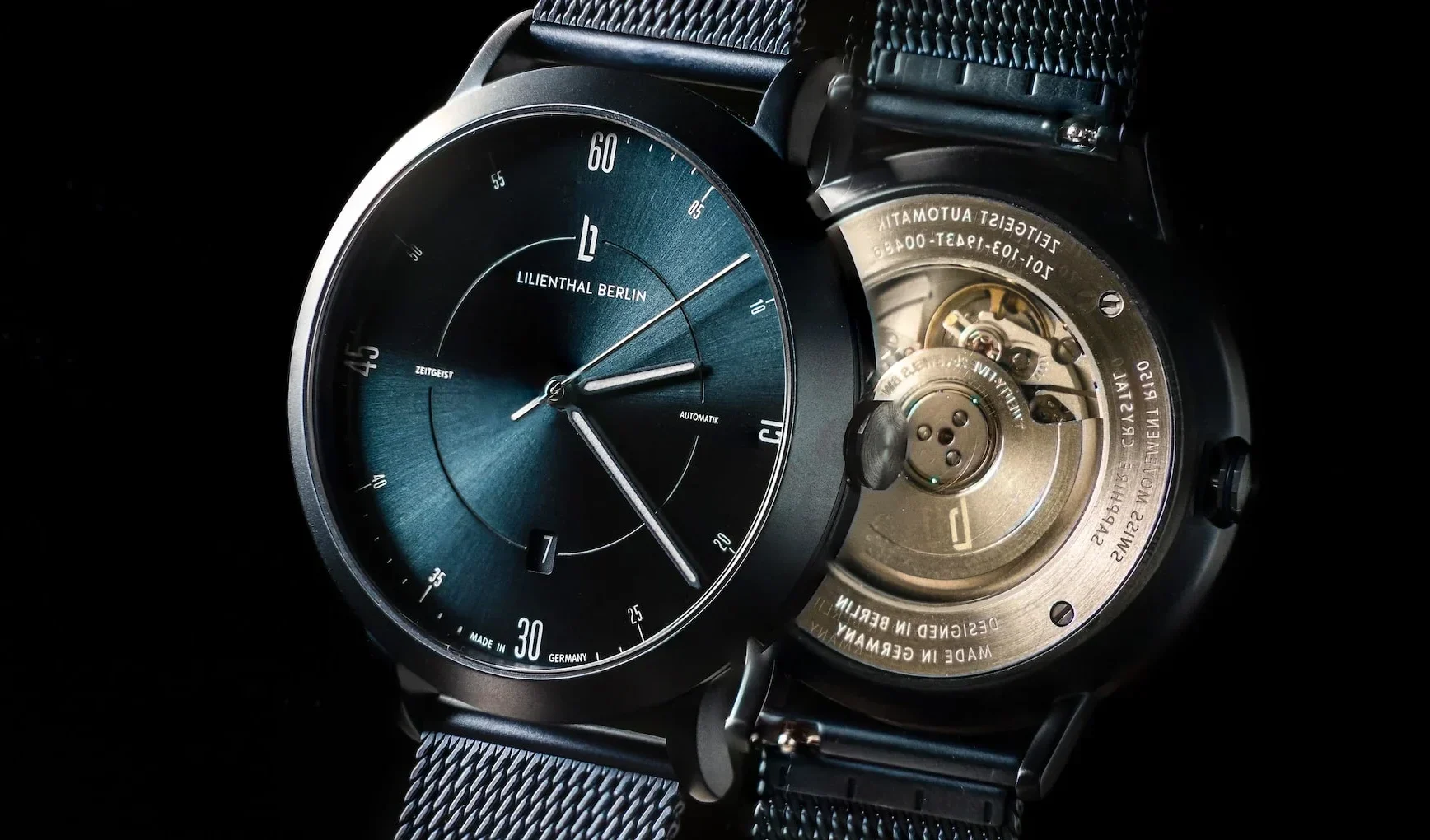
An automatic watch is powered by a mechanical movement. Inside, a rotor moves as you wear the watch, winding the mainspring that stores energy.
In everyday terms: automatic is the “crafted machine on your wrist” choice.
Key differences at a glance
| Feature | Quartz | Automatic |
|---|---|---|
| Power source | Battery | Wrist movement (self-winding) |
| Accuracy | Usually higher | Usually less accurate than quartz |
| Maintenance | Low | Higher (periodic servicing) |
| Convenience | Very high | Best when worn regularly |
| Feel/appeal | Practical, reliable | Traditional, mechanical charm |
| Price/value | Often more affordable | Often higher cost for the movement |
Quartz watches: Why people love them
1) Accuracy you don’t have to think about
Quartz watches are typically more accurate than automatics. That means fewer time adjustments.
2) Low maintenance
Besides battery replacement, quartz watches generally need minimal upkeep. Perfect if you want a watch that works without effort.
3) Ideal for occasional wear
If you rotate watches, wear one only on weekends, or keep a watch for events—quartz is extremely convenient. You won’t pick it up and find it stopped.
4) Great value
Quartz watches often offer strong design and quality at a more accessible price because the movement is simpler to produce.
Quartz is best for you if:
You want reliability, accuracy, and convenience—especially for everyday use or a first branded watch.
Automatic watches: Why they feel special
1) The mechanical experience
An automatic watch is a tiny engine made of gears, springs, and precision parts. For many people, that craftsmanship is the point.
2) No battery (in most cases)
Automatic watches typically don’t rely on a battery. They run as long as they’re wound—either by wearing them or manual winding (model dependent).
3) The “ownership” factor
An automatic watch tends to feel more personal. You wear it, it runs. You don’t wear it, it rests. It’s interactive in a way quartz isn’t.
4) Collector appeal
If you enjoy watches as a hobby, automatics open the door to a deeper world—movements, finishing, and long-term appreciation of the craft.
Automatic is best for you if:
You enjoy the mechanical side of watches and don’t mind occasional time adjustments and servicing.
The “hidden costs” people don’t mention
Quartz: Battery replacement
Battery changes are straightforward, but they should be done carefully. A poor battery change can affect seals and water resistance if not resealed properly.
Automatic: Servicing
Automatics generally require servicing over time (interval depends on brand and use). It’s normal, but it’s a real cost to consider—especially if you plan to keep the watch for years.
Human advice:
If you want the least hassle, quartz wins. If you want the most character, automatic wins.
Which one should you buy? (Real-life scenarios)
Buy quartz if you:
- want a dependable daily watch
- dislike resetting time and date
- rotate multiple watches
- want value and accuracy
- want a “grab-and-go” watch for work
Buy automatic if you:
- love craftsmanship and mechanical design
- wear the watch most days
- don’t mind setting time occasionally
- want the traditional feel of a mechanical movement
- enjoy collecting or upgrading over time
What about “sweep” seconds? (A quick detail people notice)
- Quartz seconds hands often tick once per second.
- Automatics usually have a smoother “sweep” (many small movements per second).
It’s not a quality indicator on its own—but it does affect the feel.
A practical recommendation for first-time buyers
If you’re buying your first branded watch, a quartz model is often the smartest start:
- it’s accurate
- easy to own
- low maintenance
- works for daily life immediately
Then, when you know your preferences, you can add an automatic later as a second watch—more as an experience than a tool.


